
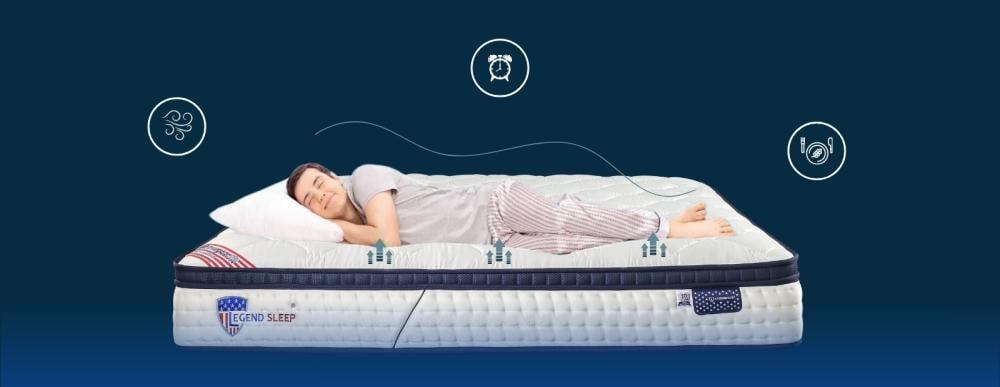

If you wake up tired, hit an afternoon crash, or feel “low battery” even after a full night in bed, the problem often isn’t time—it’s sleep quality and sleep consistency. The good news: small, repeatable habits can noticeably improve your daily energy in just a few days.
In this guide, you’ll get simple, science-backed sleep tips you can actually stick to—plus how choosing the right Bed mattresses (including supportive Medical mattresses) can upgrade your recovery every night. For premium sleep solutions in Saudi Arabia, explore Legend Sleep
Why Better Sleep = More Energy (Not Just More Hours)
Your energy depends on how well your body completes the sleep cycle:
- Deep sleep supports physical recovery, muscles, and immune function.
- REM sleep supports memory, mood, and learning.
- Stable circadian rhythm (your internal clock) determines when you feel alert vs sleepy.
When bedtime changes daily, light exposure is off, or your mattress support is poor, your sleep becomes lighter and less restorative—so you wake up “unfinished.”
1) Keep a Consistent Wake-Up Time (Yes, Even on Weekends)
If you do only one thing, do this:
- Pick a wake-up time you can keep 7 days a week (or at least within 60–90 minutes).
- Your body learns the rhythm and starts producing melatonin at the right time.
Fast win: After 5–7 days of consistency, many people notice smoother mornings and fewer midday dips.
2) Get Morning Light for 10–20 Minutes
Natural morning light signals your brain: “It’s daytime—be alert.”
- Step outside shortly after waking (balcony, window, walk).
- This improves nighttime sleepiness later, making it easier to fall asleep naturally.
Tip: Pair it with water + a light stretch to build an easy “wake-up ritual.”
3) Cut Caffeine Earlier Than You Think
Caffeine can stay in your system longer than your energy drink does.
- If you sleep at 11:00 PM, try stopping caffeine by 2:00–3:00 PM.
- If you’re sensitive, stop even earlier.
Swap ideas: decaf, herbal tea, or water with lemon.
4) Build a 20-Minute Wind-Down Routine (No Pressure, Just Repetition)
Your brain needs a “landing phase.”
Choose 2–3 calming actions and repeat them nightly:
- Warm shower
- Light reading (paper book is best)
- Gentle stretching
- Skincare routine
- Quiet dhikr or breathwork
Rule: Keep it easy. Consistency beats perfection.
5) Make Your Room a Sleep Cave
Your body sleeps best in a space that feels safe and calm:
- Cooler temperature (slightly cool)
- Darkness (blackout curtains if possible)
- Quiet (white noise can help if you live in a noisy area)
Pro tip: If you can’t control noise, control consistency—same sound every night trains your brain to relax.
6) Stop Scrolling 30–60 Minutes Before Bed (Use “Friction”)
It’s not only the blue light—it’s the mental stimulation.
Add friction:
- Charge your phone outside the bedroom
- Use a basic alarm clock
- Set “Do Not Disturb” automatically
If you must use your phone:
- Lower brightness
- Use night mode
- Avoid intense content (debates, work messages, stressful reels)
7) Eat and Move in a Sleep-Friendly Way
You don’t need a perfect diet—just a few timing tweaks:
- Avoid heavy meals late at night
- Keep late snacks light (yogurt, banana, dates, warm milk)
- Move your body daily (even a 20-minute walk helps)
Best timing for exercise: earlier in the day or late afternoon. Very intense workouts right before bed may keep you wired.
8) Master the Power Nap (Without Ruining Night Sleep)
If you nap, keep it smart:
- 10–20 minutes (best for energy)
- Before 4:00 PM if possible
Long naps late in the day can steal your sleep pressure and make bedtime harder.
9) Your Mattress Can Make or Break Your Energy
If you wake up with back stiffness, shoulder pain, or keep changing positions, your bed may be disrupting your sleep cycle.
A supportive mattress helps by:
- Keeping your spine aligned
- Reducing pressure points
- Improving comfort so you wake up less often
This is where Medical mattresses can be a game-changer for people who need better alignment and pressure relief. If you’re searching for The best mattresses and high-quality Bed mattresses for real recovery, explore Legend Sleep’s mattress collection here: Mattresses by Legend Sleep
.
Quick self-check:
If you regularly wake up tired even with enough hours, or feel pain/tension in the morning, upgrading the mattress support is one of the highest-ROI sleep moves.
Quick Daily Energy Sleep Checklist (Save This)
- Wake up at the same time (±60 minutes)
- Get 10–20 minutes of morning light
- Stop caffeine early afternoon
- 20-minute wind-down routine
- Dark + cool + quiet bedroom
- Reduce phone scrolling before bed
- Choose a supportive mattress
FAQs
Q: How many hours should I sleep for better energy?
Most adults do best with 7–9 hours, but quality and consistency matter just as much as hours.
Q: What’s the fastest way to feel more energetic in the morning?
Consistent wake-up time + morning light + earlier caffeine cutoff.
Q: How do I know if my mattress is hurting my sleep?
Morning aches, frequent turning, waking up tired, or feeling “better” after sleeping elsewhere are common signs.
Daily energy isn’t built in one night—it’s built by repeating simple sleep rules until your body trusts your routine. Start with one change this week, then stack the next. For long-term comfort and better recovery, visit Legend Sleep and explore the mattress collection designed for consistent support and restful sleep.