
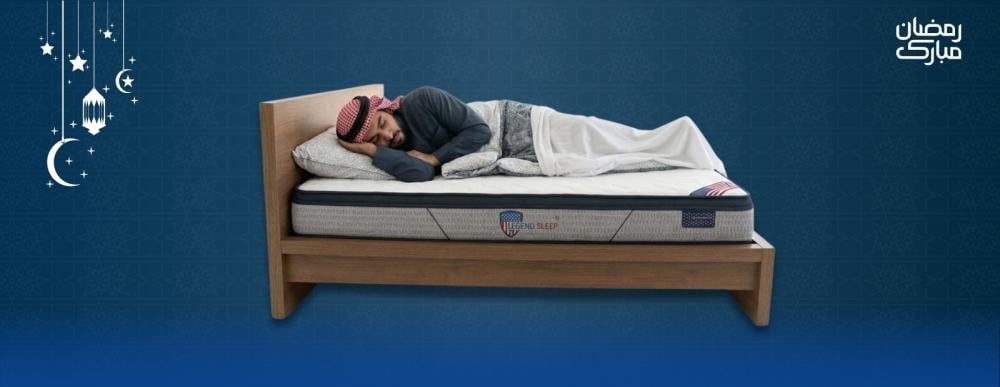

After long nights of Tarawih and Qiyam, it is normal for your legs to feel tired, heavy or mildly sore. Choosing the right sleep position and following simple recovery steps can reduce discomfort, improve circulation and help you rest quickly so you wake up refreshed and ready for the day. This guide explains why leg fatigue happens, which sleep positions are most effective, practical recovery practices and how the right mattress and pillow can help. For mattress options see our Mattresses
collection.
Why your legs feel tired after prolonged prayer
- Prolonged standing and repeated movements strain muscles in the calves thighs and around the knees.
- Reduced circulation from standing in one position for long periods can cause a feeling of heaviness or mild swelling.
- Dehydration and electrolyte loss during fasting can increase muscle fatigue and cramps.
- Posture changes and muscle tension during long sessions can affect lower back and leg comfort while trying to sleep.
Understanding the cause helps choose the right position and supportive products to speed recovery.
Best sleep positions to revive your legs
- On your back with legs elevated
- Lie on your back and raise your legs so the knees are slightly above heart level.
- Use a firm pillow or a folded blanket under the calves or ankles.
- Benefits include improved venous return reduced swelling and relief from heaviness.
- Side lying with knee support
- Lie on your side with a small pillow between your knees so the hips align naturally.
- This position reduces strain on the lower back and supports pelvic alignment while preserving circulation through the legs.
- Semi reclined position for mild discomfort
- A reclined posture with the torso slightly raised and legs supported can be comfortable if you prefer not to lie flat.
- Use a wedge pillow or adjustable bed setting if available.
- Avoid sleeping face down on your stomach
- Prone sleeping can increase spinal strain and does not support leg elevation.
- It is less helpful for circulation related leg fatigue.
How to set up leg elevation safely and comfortably
- Place a pillow or two under your calves rather than directly under the knees to avoid joint strain.
- Aim for a gentle elevation that feels comfortable not for a rigid angle.
- If you have circulation disorders or medical conditions consult a healthcare professional before prolonged leg elevation.
Recovery routine before sleep
- Gentle stretching
- Perform calf stretches ankle circles and seated hamstring stretches for one to three minutes to release tension.
- Ankle pumps and foot flexes for two to three minutes to stimulate blood flow.
- Light self massage along the calves and thighs using upward strokes toward the heart for five minutes.
- Hydration and electrolytes drink water and include a light source of electrolytes if you have been fasting for long periods.
- Compression socks for short term use can help reduce swelling but avoid wearing them while sleeping unless recommended by your clinician.
- Warm shower or warm compress on the legs for ten to fifteen minutes to relax muscles.
Mattress and pillow guidance
- A mattress that supports natural spine alignment and relieves pressure points helps your body recover faster during sleep. For curated options visit our Mattresses
- collection.
- Choose medium to medium firm support if you prefer back support while elevating legs. A mattress that contours slightly to the body but still offers lift will keep hips in neutral alignment when you sleep on your back or side.
- Use pillows that allow you to maintain the recommended positions. A firm wedge pillow or a short stack of standardsized pillows under the calves works well for elevation.
When to seek medical advice
- Persistent or worsening pain that does not improve with rest and self care.
- Sudden swelling redness heat or signs of infection.
- Symptoms of deep vein thrombosis such as sudden sharp pain severe swelling or shortness of breath.
- If you have known vascular disease diabetes or other chronic conditions consult your healthcare provider before changing sleep habits or using compression garments.
Practical nightly checklist
- Do a short recovery routine including gentle stretching and ankle pumps.
- Choose your sleep position according to comfort and the guidance above.
- Elevate legs gently for improved circulation.
- Hydrate appropriately after prayer sessions and before sleep.
- If you wake with stiffness repeat brief mobility exercises before rising.
Recovering efficiently after long nights of Tarawih and Qiyam is about combining the right sleep position simple recovery habits and supportive bedding. For tailored mattress choices that support restorative sleep visit our Mattresses
collection and explore options designed for back and leg comfort. For more details about our range and services visit https://legendsleepsa.com/